
Plant Pathology Introduction
Importance of the Plant Diseases Globally, enormous losses of the crops are caused by the plant diseases. The loss can occur from the time of seed sowing in the field to harvesting and storage. Important historical evidences of plant disease epidemics are Irish Famine due to late blight of potato (Ireland, 1845), Bengal famine due […]
Citrus Canker
Citrus canker is one of the most feared of citrus diseases, affecting all types of important citrus crops. The disease causes extensive damage to citrus and severity of this infection varies with different species and varieties and the prevailing climatic conditions. Citrus canker presently occurs in over thirty countries in Asia, the Pacific and Indian […]
Plasmodiophora
Plasmodiophora brassicae: Plasmodiophora brassicae is the causal organism of club root or finger-and-toe disease of brassicas and was first described by Woronin (1878). The disease is common in gardens where brassicas are frequently grown, especially if the soil is acidic and poorly drained. A wide range of brassicaceous hosts is attacked, and root-hair infection of some […]
Rust of Wheat
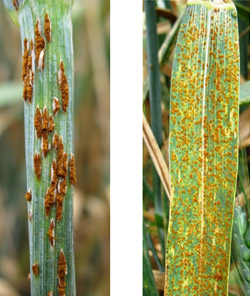
Introduction: Rust diseases of wheat are among the oldest plant diseases known to humans. Early literature on wheat cultivation mentions these devastating diseases and their ability to destroy entire wheat crops. Since rust discovery, numerous studies have been conducted on the life cycles of rust pathogens and their management. The information gained from these studies […]
Loose Smut of Wheat

It is one of the common disease of wheat caused by Ustilago tritici. Smut fungi belonging to order Ustilaginales are parasites both on monocots and dicots. Since they impart sooty appearance due to production of black spore mass they are generally described as smut fungi. The mycelium of these fungi is parasitic dikaryotic and quite […]
Red Rot of Sugarcane
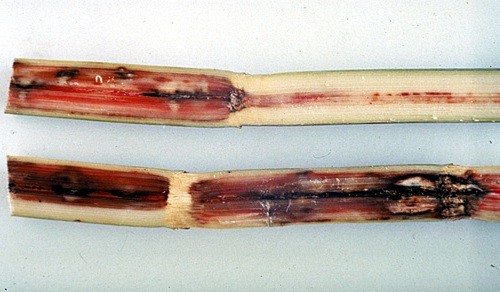
Introduction: Red rot, caused by Colletotrichum falcatum, is one of the major diseases of sugarcane in the world. Symptoms: Red rot attacks the stalks, stubble rhizomes, and leaf midribs of the sugarcane plant. It may invade leaf-blade and leaf-sheath tissues and is capable of infecting sugarcane roots but it is not important as a disease of […]
Damping Off
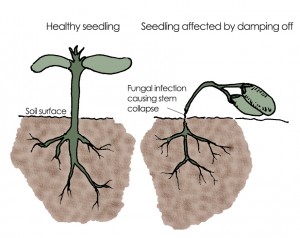
Introduction: Damping-off of seedlings, which is caused mostly by fungi, can be a complex of several diseases occurring separately or simultaneously. Most commonly, either Rhizoctonia or Pythium is involved. Botrytis, Sclerotinia, and Alternaria are also occasionally responsible for damping-off. Symptoms: Because damping-off is caused by several different organisms on many different plants, symptoms of disease […]
Late Blight of Potato

Late blight is not only the most serious fungal disease of potatoes, it also occurs almost everywhere where potatoes are grown and is especially important in the traditional potato growing areas. On several occasions the disease has reached disastrous proportions. Well documented is the Irish Famine of around 1845 to 1850 when, as a result […]
White rust of Crucifers
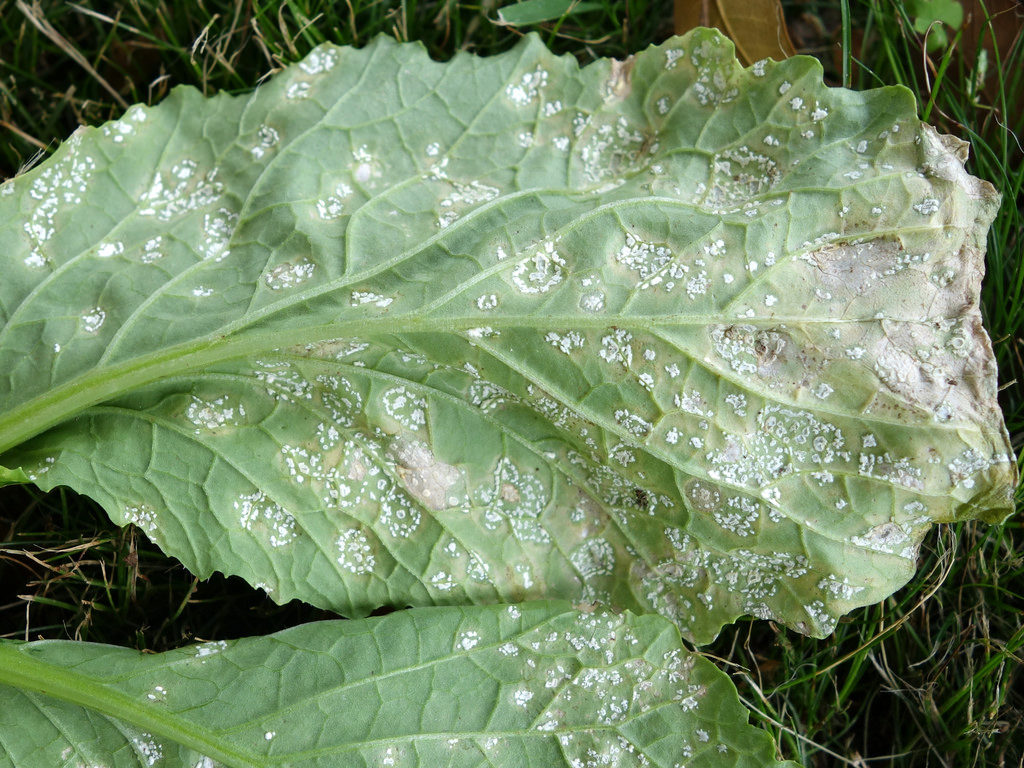
HOSTS White rust most commonly occurs on: field mustard (Brassica campestris L.), leaf or Chinese mustard (B. juncea Zerj, & Coss.), black mustard (B. nigra (L.) Koch), broccoli and cauliflower (B. oleracea L. var. botrytis L.), Chinese or celery cabbage (B. pekinensis (Lour.) Rupr.), rutabaga (B. campestris L. var. napobrassica (L.) DC.), pak-choi (B. chinensis L.), turnip (B. rapa L.), radish (Raphanus sativus […]