
Nervous system MCQs
Which of the following is NOT a part of the central nervous system? a) Brain b) Spinal cord c) Peripheral nerves d) Retina Which of the following is NOT a function of the nervous system? a) Sensory processing b) Motor control c) Hormonal regulation d) Digestion The resting potential of a neuron is maintained by […]
Marsilea; a water fern
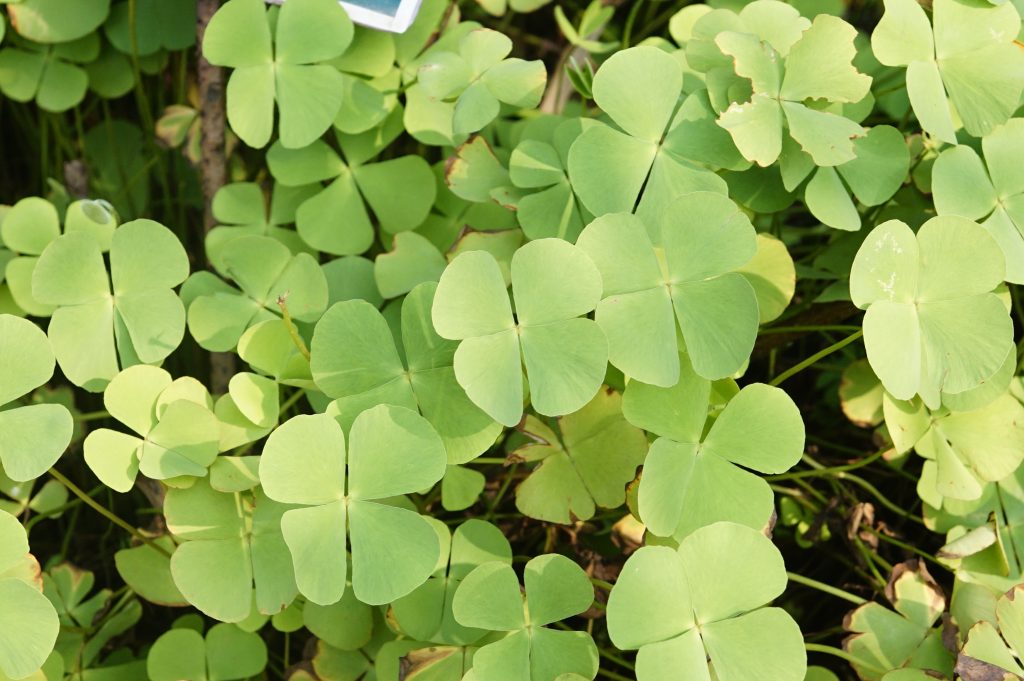
MARSILEA (Water fern) Division : Pteridophyta Class : Pteropsida Order : Polypodiales Family : Polypodiaceae Genus : Polypodium DISTRIBUTION: Marsilea is world-wide in distribution. Most abundantly found in tropical parts of world. The species of Marsilea are generally aquatic or amphibious in nature with their roots embedded in mud or damp […]
Spirogyra
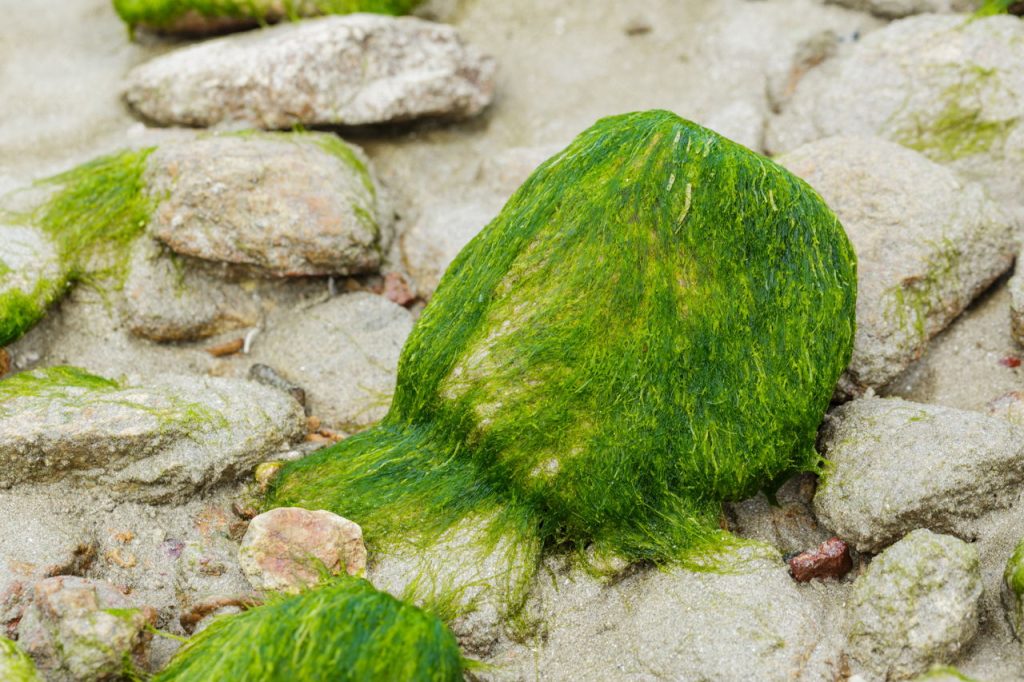
Division : Chlorophyta Class : Chlorophyceae Order : Conjugates Sub-order : Zygnemoideae Family : Zygnemaceae Genus : Spirogyra OCCURRENCE Spirogyra (Gr. Speira, a coil, Gr. Gyros, twisted) is a large genus. It is found throughout the world in fresh water. Its filaments look like a shining silky mass in running water. That is why […]
Chlamydomonas
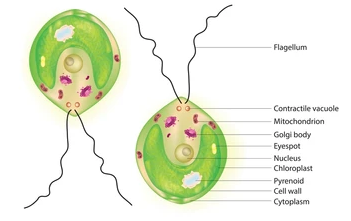
Kingdom : Plantae Division : Chlorophyta Class : Chlorophyceae Order : Volvocales Family : Chlamydomonadaceae Genus : Chlamydomonas (Gr. Chlamys, mantle; monas, single organism) OCCURRENCE: It is widely distributed unicellular algae. It is found in standing water of ponds, pools, ditches and on moist soil. A few members are present […]
Algae; Importance
IMPORTANCE OF ALGAE Beneficial Aspects Algae have following beneficial effects: Source of food and fodder: i) Some algae contain high amounts of minerals, proteins and oils so are used as food for human beings e.g., Ulva, Spirogyra , Oedogonium, Pophyra ii) Fucus is used as fodder and as hen feed iii) Diatoms are […]
Algae; Reproduction
REPRODUCTION Algae reproduce vegetatively, asexually and sexually VEGETATIVE REPRODUCTION A part is detached from the plant body and develop into new plant. Vegetative reproduction may takes place by one of the following methods. Fragmentation: parent plant is divided into small parts called fragments. Each fragment develop into new plant, e.g., Spirogyra. Budding: outgrowths in […]
Algae; Thallus forms
VEGETATIVE STRUCTURE/ THALLUS ORAGANIZATION Thalli of algae show a range of organization starting from unicellular form to highly organized multicellular habit. The algal thalli are grouped into the following, based on their organization; 1. Unicellular: Composed of single cells, they may be motile or non-motile. Chlamydomonas, Diatoms. 2. Colonial form: Some algae are multicellular colonial. […]
Algae; Occurrence
Algae are mostly aquatic organisms. They are present in both fresh and marine water. Algae may also be: I. Epiphytes: These algae grow on the surface of other plants. (Ulothric) II. Endophytes: These algae live inside the other plants. (Ulvella leptochaete) III. Phytoplankton: The free floating algae are phytoplankton. (diatoms) IV. Sessile: Some algae are […]
Joints and disorders MDCAT test
[qsm quiz=42]
Skeletal System MDCAT Past MCQs
Watch the lecture for MCQS and Basic concepts Q.1 Which of the following is made up of bones and cartilage? 2008 A) Endoskeleton B) Exoskeleton C) Hydrostatic Skeleton D) none of theses Q.2 The collagen fibers of bone are hardened by deposit of: OR Bone matrix is hardened by the […]